
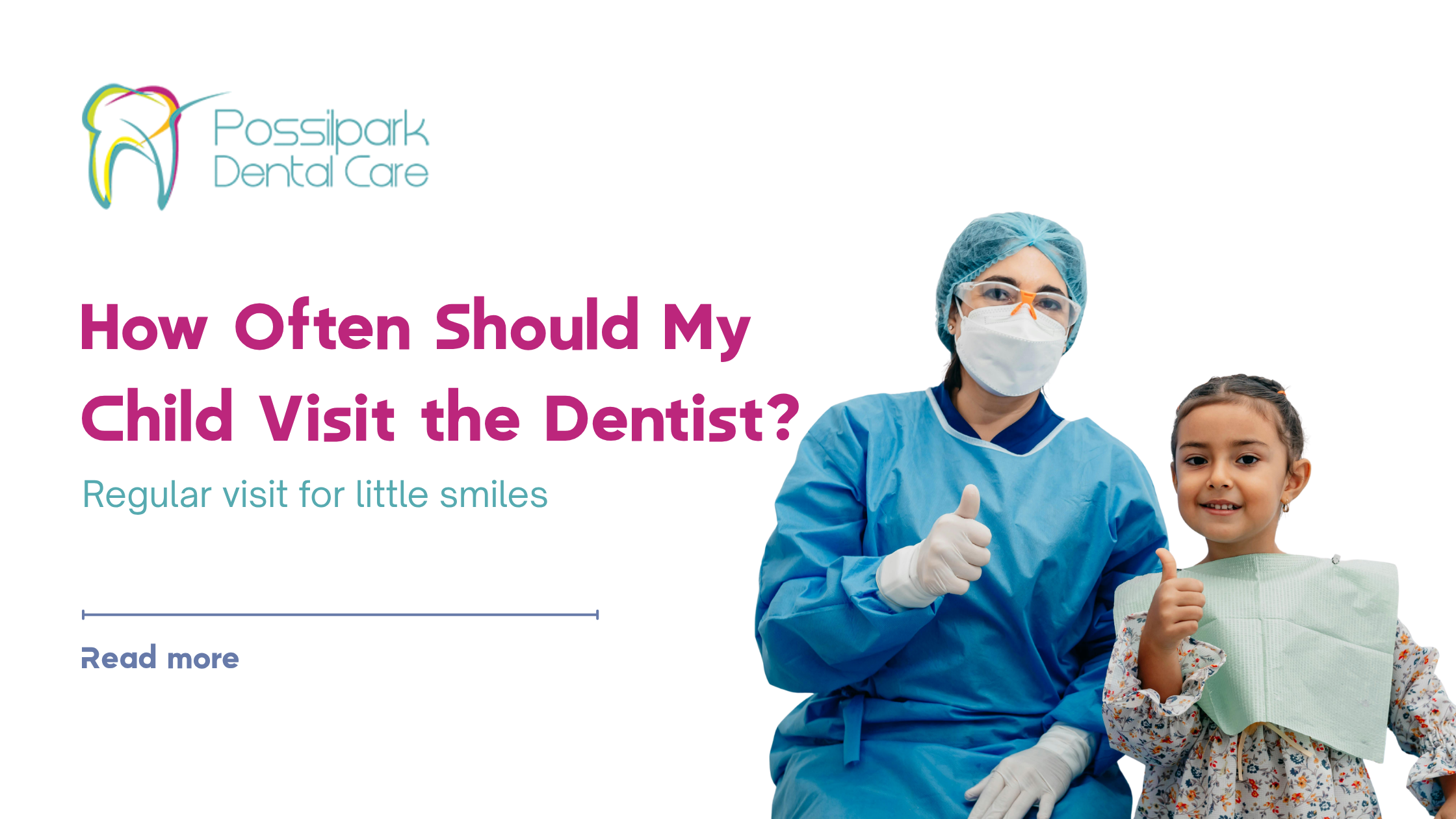
As a parent, you want to give your child the best possible start in life, and that includes looking after their oral health. One of the most common questions we hear at Envisage Dentistry Possilpark is, “How often should my child visit the dentist?”
The simple answer is that most children benefit from regular dental check-ups every six months. However, every child is different, and your dentist may recommend more or less frequent visits depending on their individual needs.
Regular dental appointments aren’t just about checking for cavities. They’re an opportunity to monitor how your child’s teeth and jaws are developing, offer preventive advice, and help children become comfortable visiting the dentist from an early age.
When Should My Child First Visit the Dentist?
The British Society of Paediatric Dentistry recommends that children visit a dentist when their first tooth appears or by their first birthday, whichever comes first.
Although baby teeth eventually fall out, they play an important role in your child’s development. They help with eating, speech, and guide the permanent teeth into the correct position.
Early visits also allow your child to become familiar with the dental environment before they ever need treatment, making future appointments much less intimidating.
How Often Should Children Have Dental Check-ups?
For many children, a dental examination every six months is appropriate.
However, your dentist may recommend more frequent appointments if your child:
- Has had tooth decay before
- Has difficulty brushing effectively
- Frequently eats sugary snacks or drinks
- Is wearing orthodontic appliances
- Has a higher risk of dental problems
Children with excellent oral health and a low risk of decay may occasionally be advised to attend at different intervals, but this decision should always be made by a dentist.
Regular appointments allow small problems to be identified before they become bigger ones.
Why Are Regular Dental Visits Important?
It’s easy to assume that if your child isn’t complaining about toothache, everything must be fine. In reality, many dental problems develop gradually and don’t cause discomfort until they’re more advanced. Regular examinations allow your dentist to spot small signs of decay before they become cavities, identify early gum problems and monitor how adult teeth are developing beneath the gums.
These appointments also help us keep an eye on your child’s bite and jaw development. If something isn’t progressing as expected, it can often be identified early, giving more treatment options later on. Preventive care is always simpler, more comfortable and often less expensive than treating a problem after it has developed.
What Happens During a Child's Dental Check-up?
Children’s appointments are usually straightforward and designed to be relaxed and reassuring.
During a routine examination, your dentist may:
- Count and examine your child’s teeth
- Check for signs of decay
- Assess gum health
- Monitor how adult teeth are developing
- Check the bite and jaw development
- Offer personalised brushing advice
- Discuss diet and sugar intake
- Answer any questions you or your child may have
Appointments are also a great opportunity to reinforce positive oral hygiene habits in a supportive way.
Helping Your Child Feel Comfortable at the Dentist
It’s completely normal for some children to feel unsure about visiting the dentist, especially if it’s their first appointment.
A few simple steps can make a big difference:
- Speak positively about dental visits.
- Avoid using words like “pain” or “needle.”
- Read children’s books about visiting the dentist.
- Choose appointments when your child is well-rested.
- Stay calm and reassuring yourself.
Regular visits from an early age often help children see the dentist as a normal part of staying healthy rather than something to fear.
Looking After Your Child's Teeth at Home
Daily brushing and regular dental visits go hand in hand. Children should brush twice a day using a fluoride toothpaste, and younger children usually need help until they’re confident brushing properly themselves. Encouraging water between meals instead of sugary drinks and keeping sweet treats to mealtimes can also make a significant difference to their oral health.
These small routines may seem simple, but they’re often the biggest reason children avoid fillings and dental treatment later on.
What About Baby Teeth?
Because baby teeth eventually fall out, some parents wonder whether they’re really that important.
The answer is yes.
Healthy baby teeth help children:
- Eat comfortably
- Speak clearly
- Develop healthy jaw growth
- Maintain space for adult teeth
- Build confidence in their smile
If baby teeth are lost too early due to decay, it can sometimes affect how permanent teeth develop later on.
What If My Child Needs Treatment?
If your dentist identifies a problem, they’ll explain everything clearly and discuss the most appropriate treatment.
Many childhood dental problems can be managed with simple preventive care when caught early.
Treatments may include:
- Fluoride applications
- Fissure sealants
- Small fillings
- Preventive advice
- Monitoring tooth development
The goal is always to keep treatment as simple and comfortable as possible.
Supporting Healthy Smiles at Envisage Dentistry Possilpark
At Envisage Dentistry Possilpark, we’re committed to helping children develop positive dental habits that last a lifetime.
We understand that every child is different, which is why we take time to create a calm, friendly environment where children can feel comfortable asking questions and becoming familiar with dental care.
Whether it’s your child’s very first appointment or a routine check-up, our team focuses on prevention, education and helping families maintain healthy smiles for years to come.
If you’re looking for a family-friendly dental practice in Possilpark, we’d be delighted to welcome you and your child.
📞 Call Envisage Dentistry Possilpark : 0141 800 0630
📍 Book your child’s dental check-up today.
Frequently Asked Questions
At what age should my child first see a dentist?
Children should visit a dentist when their first tooth appears or by their first birthday, whichever comes first.
How often should my child have a dental check-up?
Most children benefit from a dental examination every six months, although your dentist may recommend different intervals depending on their oral health.
Why are baby teeth important?
Baby teeth help children eat, speak and guide permanent teeth into the correct position. Looking after them is important for healthy development.
What if my child is nervous about visiting the dentist?
This is very common. Regular visits, positive encouragement and choosing a child-friendly practice can help children build confidence over time.
How can I help prevent tooth decay?
Brushing twice daily with fluoride toothpaste, limiting sugary foods and drinks, attending regular dental check-ups and encouraging healthy eating habits all help reduce the risk of tooth decay.